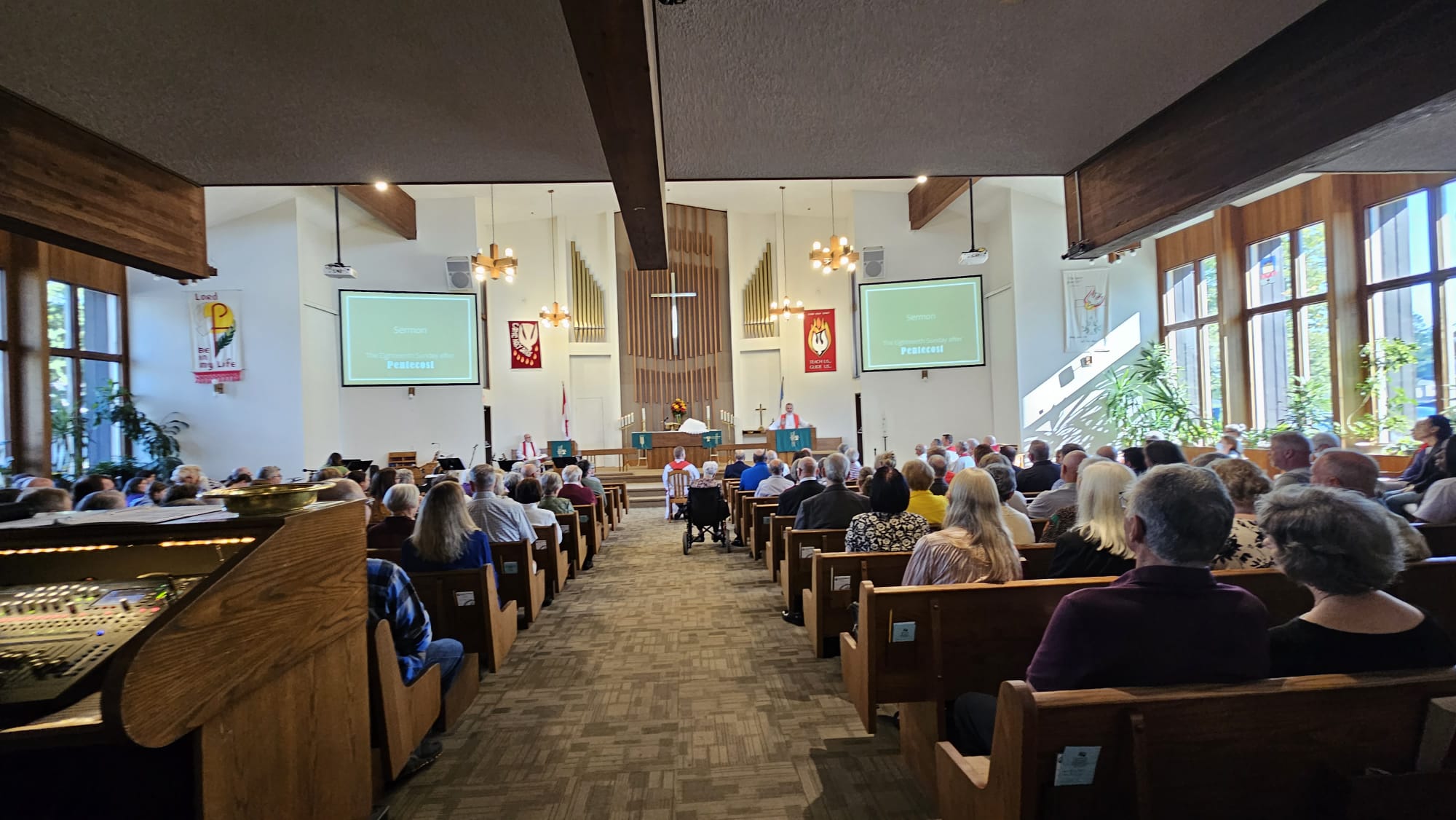
Sermon – August 9th, 2026
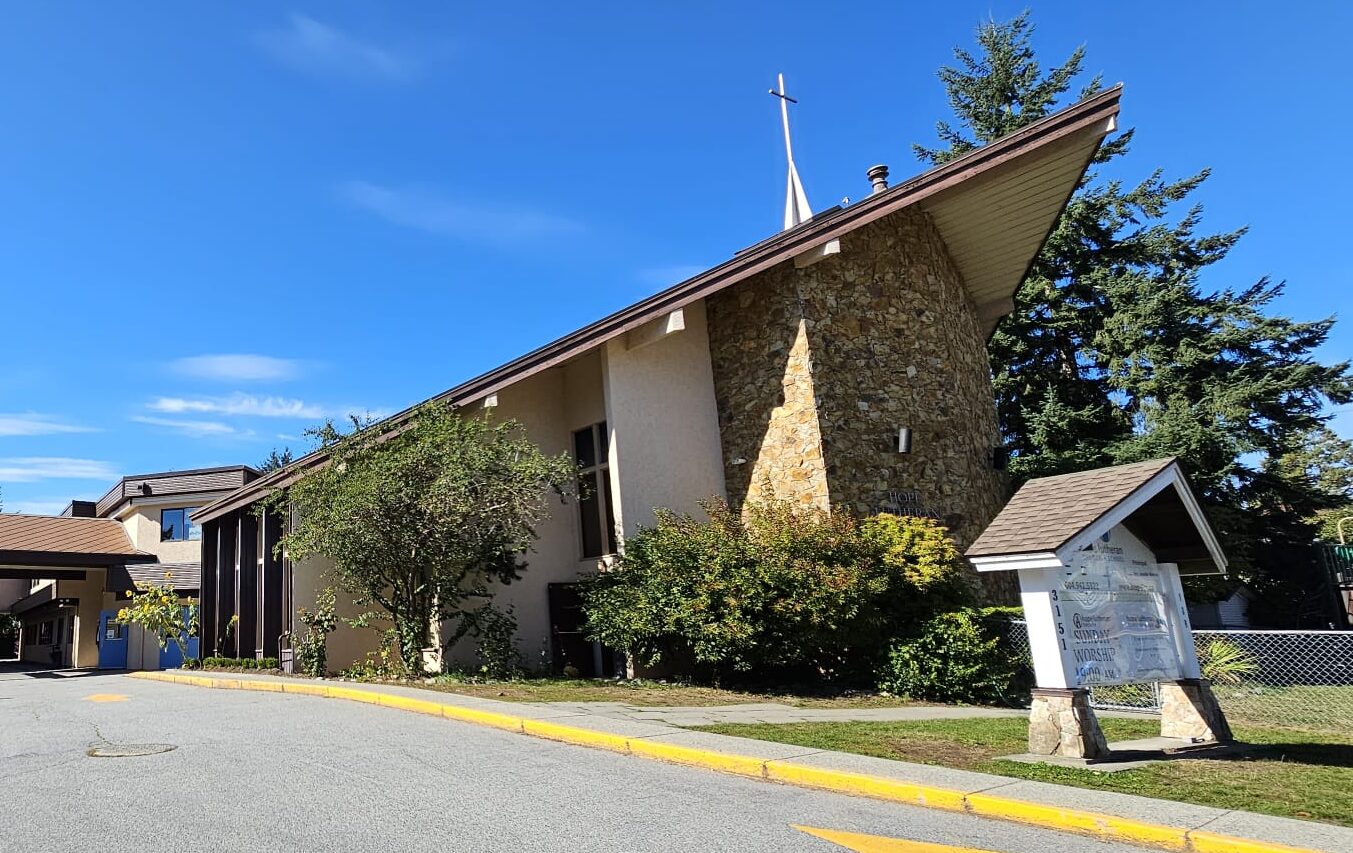
Hope Lutheran Church, Port Coquitlam BC
Text: Matthew 14:22-33
Theme: Answers
___________________________
Intro – Do you like every answer you receive to your questions?
For example:
- Do you like my new hairstyle?
- Was I clear and effective in my presentation?
- Do you think I’m wrong?
- Is there something I can do?
Usually, we want to hear “yes,” a compliment, or a word of encouragement, right? We do not want to hear, “Well, it’s not too bad,” or “Hmm, so-so,” or something worse. Some answers are very hard to hear. Sometimes they come not even in words, but in silence—through body language or judging eyes. People try to justify things or explain motives to make us feel better, but often there is no real comfort.
Sometimes answers can hurt more than questions.
Especially when we really mess up. Our words are careless, our mistakes are too big, our actions are not well thought out. If we ask someone, we may hear: “You deserve what you get.” “Suffer the consequences.” “You deserve to be punished.” “You’re on your own.” These are hard, unloving, and uncaring answers.
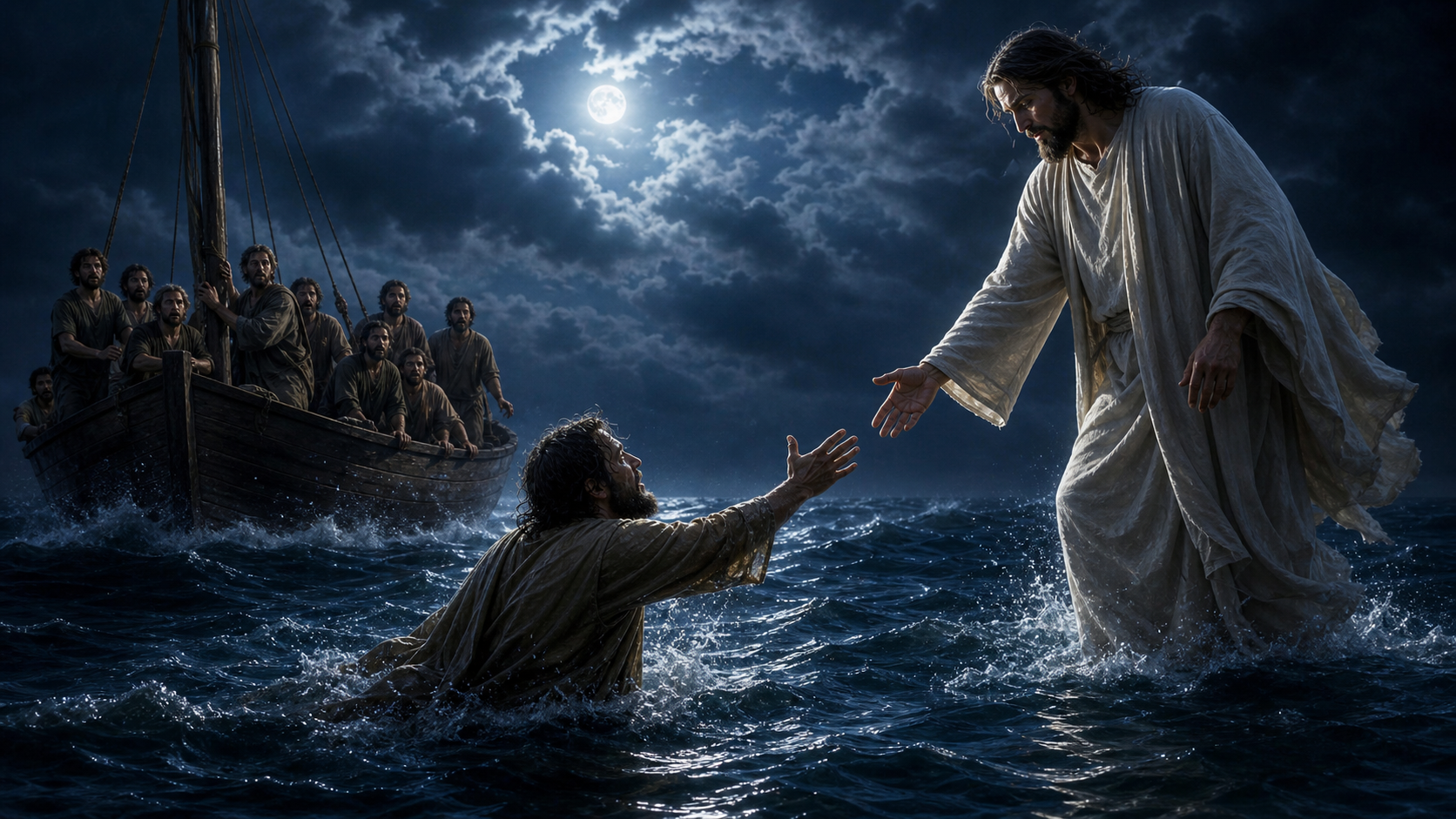
So here we have Saint Peter. He is not exactly asking a question, but crying out for help. And that cry needed an answer: “Lord, save me!”
Why did Peter need to cry out like that?
We heard the story. There is impulsiveness, excitement, and maybe a need for affirmation, as we see in other passages. Jesus comes during the night. The wind is against the disciples. They are afraid of what they see.
Then Jesus says, “It is I. Do not be afraid.” But for Peter, those words were not enough. He wanted more. He wanted to be sure for himself that this was really Jesus and not a ghost. So he asks to go to Jesus on the water.
We might say, “Poor Peter. How could he not trust his Master’s words? Why did he need to act this way, almost testing Jesus?”
But then we must also say: poor us.
How many times are we not satisfied with God’s Word alone? We also want proof. We want to make things certain by ourselves. We trust our own ability to test and confirm things when facing life’s problems.
_We may feel tempted to look for external proof to feel more secure that the Bible is true. For example: archaeological discoveries, or documents that support the idea that the Bible may be true.
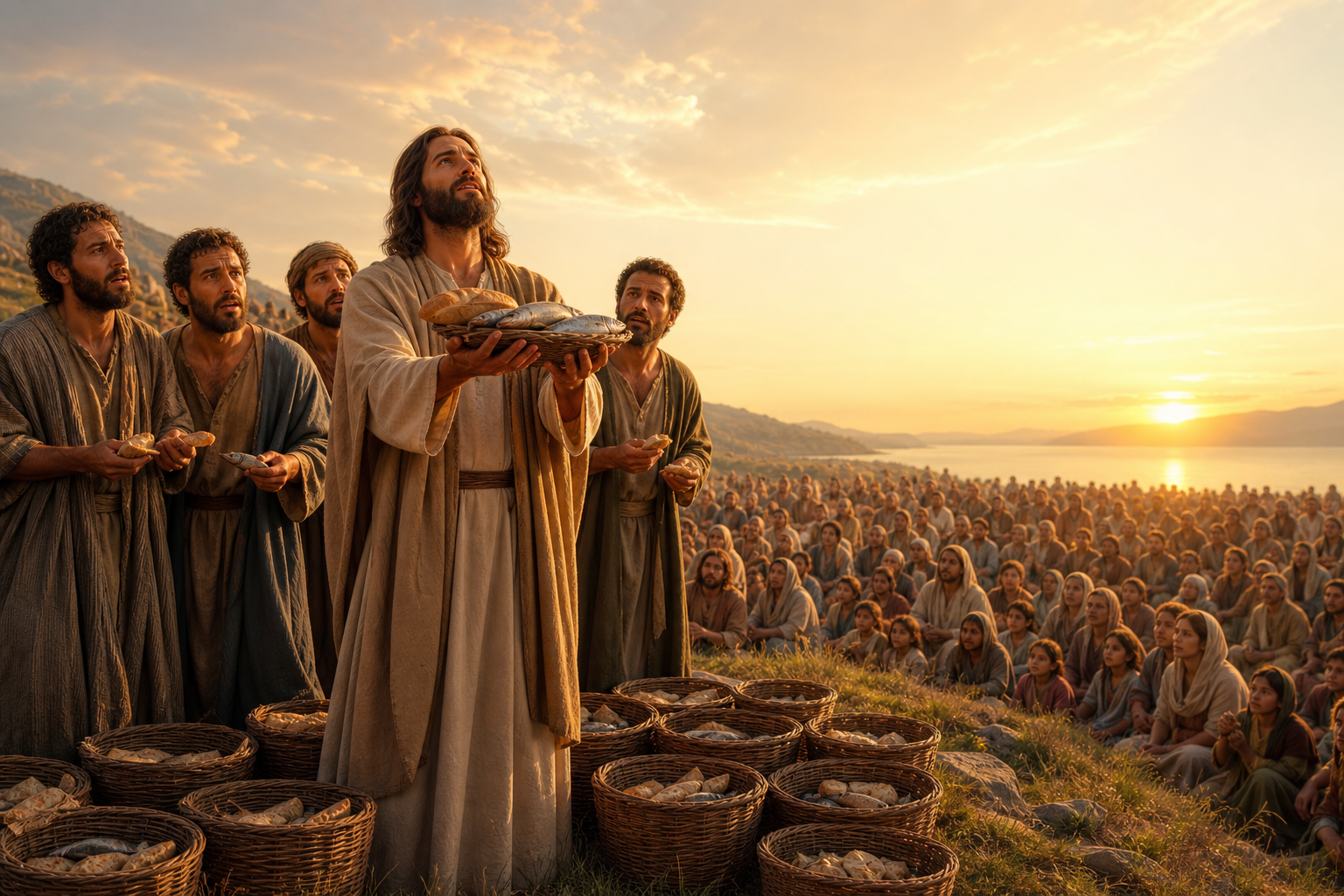
_We may feel tempted to look for external voices to make us more comfortable with God’s Word, sometimes trying to reinterpret difficult parts, resorting to figurative ways to refer to miraculous stories of the Bible. There are authors, supposedly Christians, who say Jesus did not really multiply the loaves and fish; instead, they treat the story as a metaphor about sharing, compassion, or spiritual nourishment.
_We may feel tempted to look for external help to stand strong. For example, when we are told we need to walk by ourselves, to flee difficult people, to pursue our own happiness no matter what. You must do your best to become the best version of yourself.
We think we can walk on water. We think we can deal with the “ghosts” of sin, despair, and doubt. But then we discover that we are sinking—and sinking badly. We feel like we are going to die.
Peter cried out in the middle of his despair. He needed an answer, urgently. What does Jesus do? Does He say:
- Well, Peter, that was your choice. Deal with it.
- Aren’t you the impulsive, strong, capable leader? Now use your wisdom and capacity to solve this problem. I promise I’ll keep my eyes on you all the time.
- You’ve got your arms. You’ve got your intelligence. Start swimming, floating, whatever you can do. If you think positively and try hard, I am sure you’ll get out of this problem.
- I’ll schedule an appointment with someone who can listen to your problem, so you can find help together and figure out a way.
No. Jesus immediately reached out His hand and caught him. That was His answer.
That is why we must ask the right Person for the right answer. Peter cried for help. But not only that. He cried to Jesus. And Jesus saved him.
There is no doubt that in life we can seek help, talk to others, and reflect on our abilities. But we must keep our eyes fixed on Christ. Because it is only from Him that comes what we need most: forgiveness, redemption, strength, peace, real life.
Peter began to sink when he focused on the wind and the waves instead of on Jesus. God has reached out His hand to us amid our sin. We were sinking, heading toward eternal death. But He answered. He saved us in Christ. He brought us into the safety of His arms.
Now, as people bound to Him by faith, we can ask: “Am I really wrong?” This is an important question, even if the answer is uncomfortable. Often, God’s answer is a clear “yes,” and that is not easy to hear. But once we recognize our wrong, we can ask the next question: “Dear Father, what can I do about this?” He responds with forgiveness, kindness, and a new beginning—the words our ears and hearts most need to hear.
Jesus allowed Peter to come to Him. And Jesus knows that we will try many things in life, not always successfully. But He is always there. He always reaches out is hand.
If we summarize today’s Gospel with action verbs, we could say:
Reaching out in the wilderness. Jesus had been teaching and helping the people.
Praying alone. If even Jesus took time to pray, how could we think we do not need it?
Meeting us in the midst of turmoil. Even when the night feels long, He comes and says, “Do not be afraid.”
Helping in the midst of the waves. He reaches out His hand and does not fail.
Giving hope and rest. He calms the wind and the sea, and the disciples worship Him as the Son of God.
Still, two more things we can learn from the Gospel:
-What did the disciples do after the sea was calm again? “Look, the storm is gone. It must have been the east wind, or the change of temperature. Or the way we rowed the boat to escape it. Or…or…” No. They worship the One who did it. Jesus. They looked to Him, not to themselves.
-Against the wind. That’s what the text says. The wind was against them, and there was still something to learn from Jesus. Against the wind is the best way to take off – that’s what planes do. If the wind is not blowing the way you think it was supposed to, maybe that’s God’s way of telling your heart to trust and pay attention to what He is doing. The winds can be strong. His love and presence are infinitely stronger.
Conclusion – Do we like every answer we receive? Probably not. But we must remember that something difficult now can lead to something good later. We accept discomfort for a greater good—like freezing at the dentist, eating healthy food instead of a greasy fried substance, or facing a long drive to reach a good destination.
In the same way, some answers may hurt at first. But God’s answers to our questions and our cries are never wrong. They are always for our good. For His Word is true, effective, and saving.
Image generated with an AI LLM