Sermon – July 19th, 2026
Hope Lutheran Church, Port Coquitlam BC
Text: Matthew 13:24-30; 36-43
Theme: What is wheat
___________________________
Intr – The parable of the wheat and the weeds is one of the few that Jesus not only tells us — which could give me plenty of room to write a sermon explaining it — but also explains himself. I could just say “amen” right now and move on with the service, right?
But I’d still take a few minutes to propose a reflection for today. Jesus talks about the weeds and the wheat. They’re similar — almost indistinguishable, in some cases. So what does it mean to be wheat? How do we tell it apart from just being a normal person in this world?
You know, sometimes it is hard to make distinctions, to tell things apart. Look at these pictures and see if you can tell the difference:
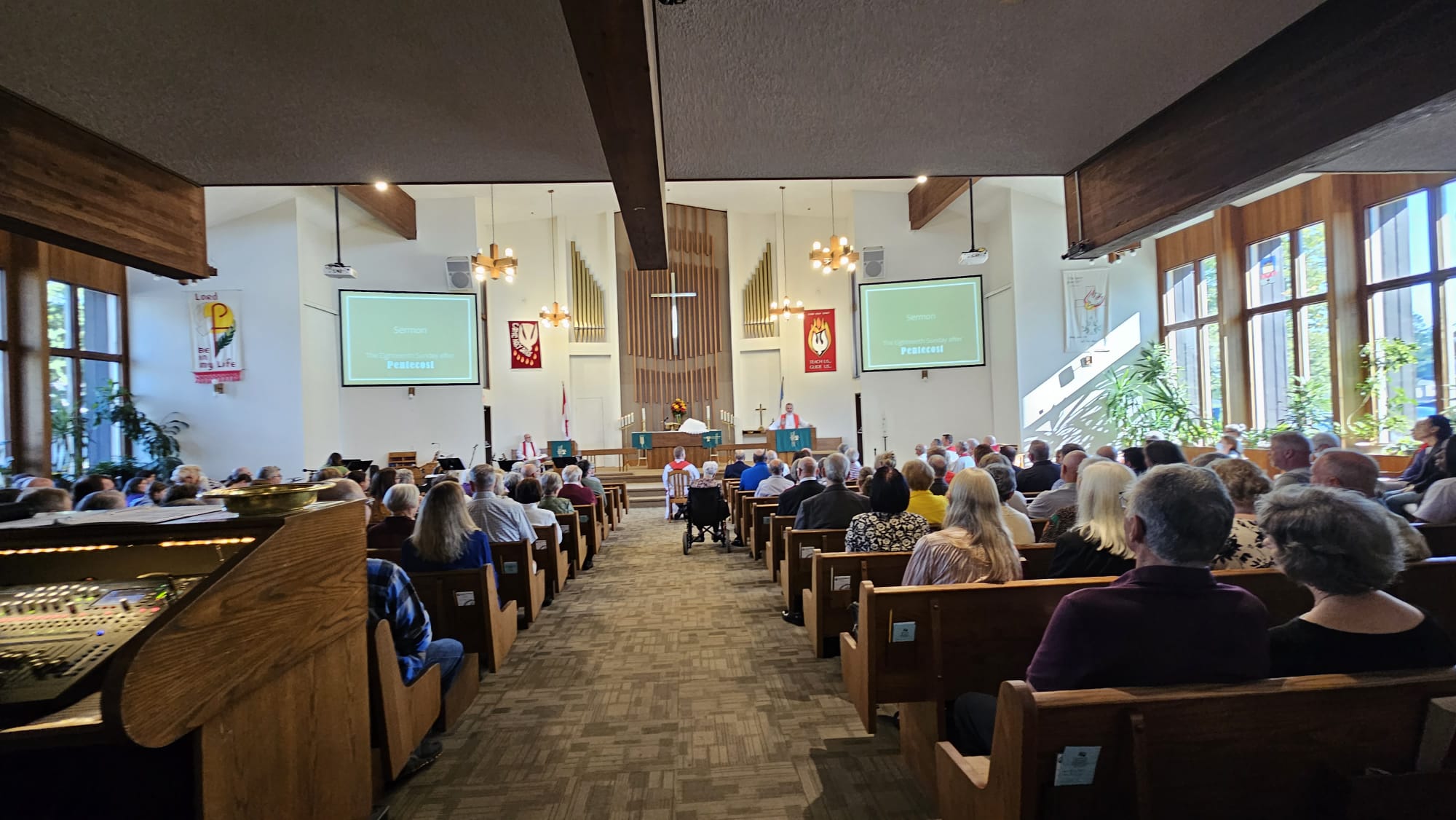
(picture 1) What’s a frog and what’s a toad?
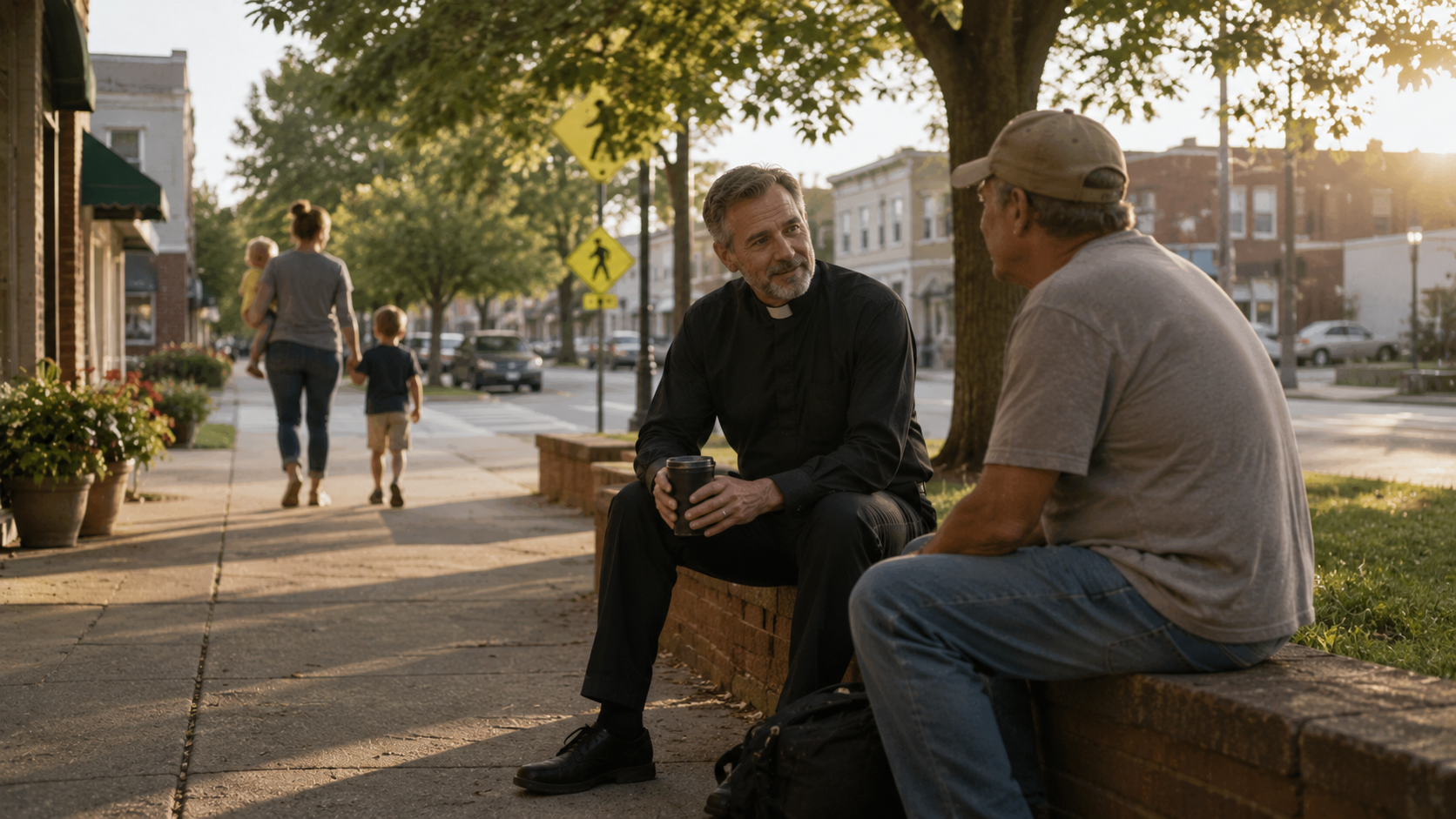
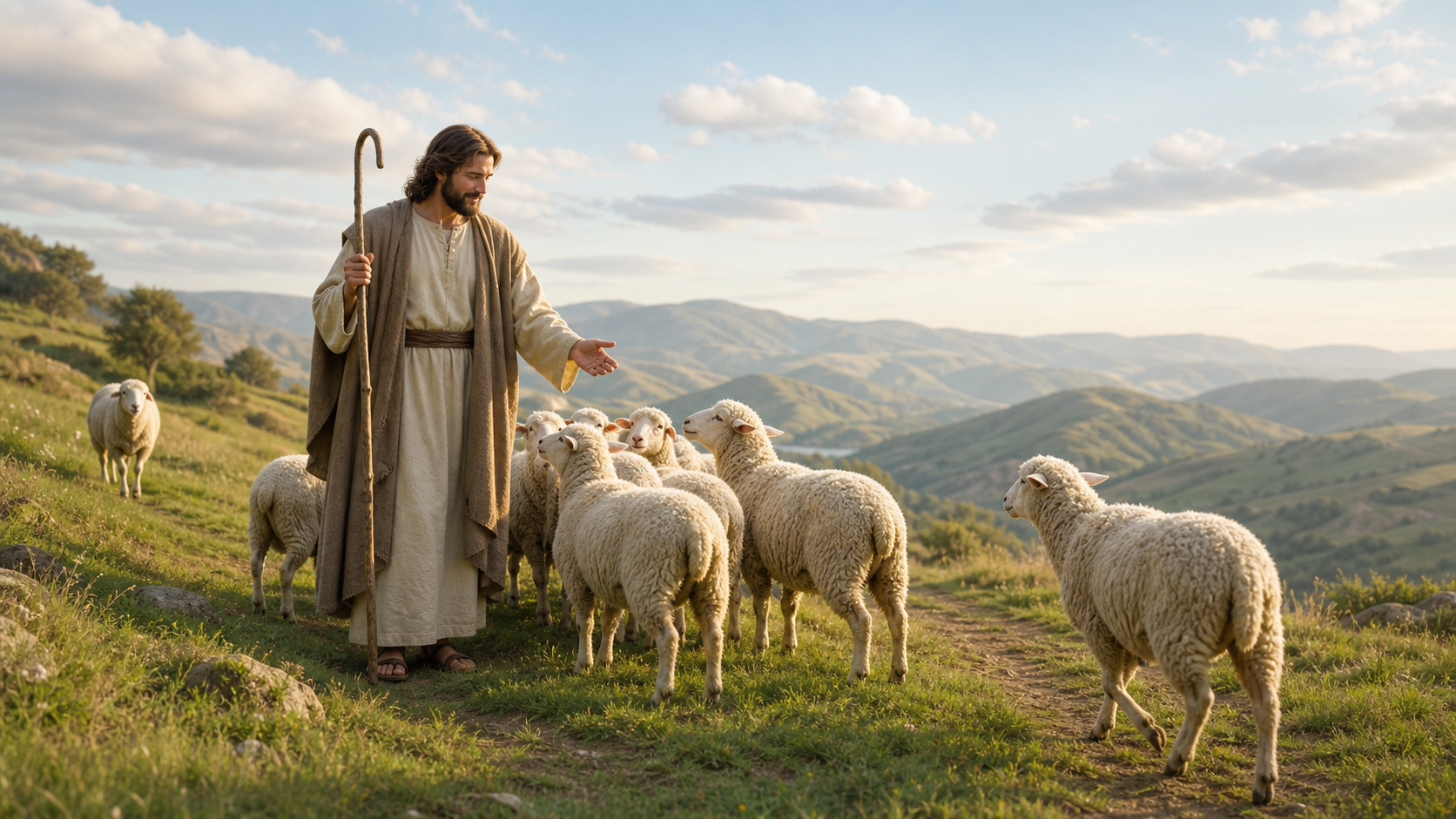
(picture 2) What’s a tortoise, a jabuti, and a turtle?(picture 3) Who’s a Christian and who isn’t?
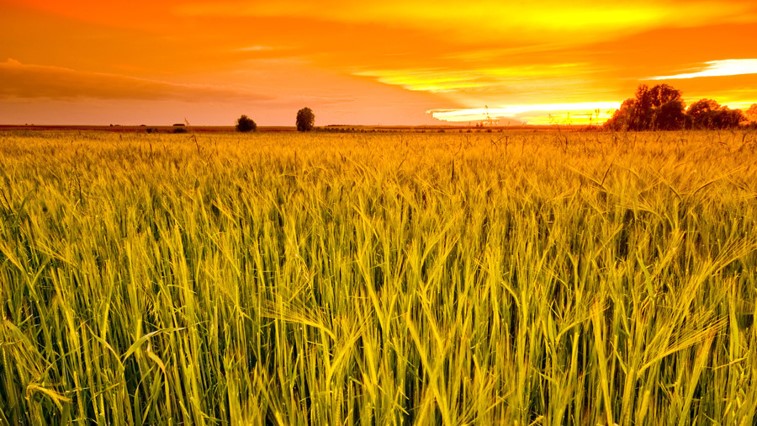
(picture 4) What’s wheat and what’s weed?
Telling the difference can be hard — and when it comes to the spiritual life, it can get even harder.
In today’s Gospel, Jesus is making a distinction: there’s wheat, and there are weeds, tares. They may look very alike in many contexts, but on the last day, it will become absolutely clear who’s who.
But right off the bat, I don’t want to spend a lot of time examining the weeds — picking up the sickle and inviting everyone to go out cutting down whatever doesn’t measure up. Not just because it’s dangerous, but because Jesus himself tells us not to. Sorting out weeds from wheat is his job. Many times when the Church has tried to do this, it hasn’t ended well, and the examples are many. The explanation of the parable is clear: it’s only at the harvest that the weeds will be separated. And there might even be a lot of surprises in that separation.
Jesus shows us that we can’t simply point at someone in sin and say, “This person is a weed.” Imagine how many people said that about Paul, the persecutor of Christians. Or about the criminal on the cross. Or how many say it today about their neighbor, just because that neighbor sins differently than we do. Follow that logic, and we might end up pulling out the wheat right along with it — and that’s definitely not something a church is called to do.
So, I want to spend less time talking about hunting for weeds, and more time talking about how important it is for us, as Christians, children of the Father, to be — and to keep being — wheat. Which begs the question: what is wheat?
1 – Not Wheat
First, it’s worth thinking about the ways we can get wheat wrong — the ways we might confuse it with weeds just by looking at external things.
Take virtue signaling, for example — the way people behave in order to be perceived as virtuous by the world. Here I’m thinking especially of a particular world where everyone is good: the virtual world.
I wish I could live there! Because when you look at it, that’s the perfect world. In the kingdom of social media, everyone loves everyone online. Everyone is kind, compassionate, and always on the “right side” of every issue. People take only good pictures — and they post them all. Everyone works hard, pays their bills, and somehow still has endless time for inspiring causes. Everyone rescues animals, cares deeply about the environment, and never forgets to post a photo when they do it. People avoid gossip, lift up family and friends, and are unfailingly supportive of every lifestyle and choice. Everyone is open-minded, endlessly patient, and always learning. Everyone travels to meaningful, beautiful places and turns every trip into a lesson in empathy. Everyone smiles at strangers, holds doors, and narrates their everyday goodness so the world can see just how good they are. It’s so nice to hear how every single person in the online world is always on the right side of history.
This is, obviously, irony — pointing out how the virtual world has maximized the narcissism we all carry inside us, trying to sell “the best version of ourselves.”
Now, am I trying to say that doing good to others isn’t desirable? Of course not. But thinking of Jesus’s parable, the reflection here is this: trying to look good in the eyes of the world is not what being wheat looks like.
The world’s standards for what counts as “good” change all the time, and they frequently don’t match what the Bible says about being good — about being wheat. Here’s where we can go wrong: we try to conform to this world’s expectations by doing what’s considered good not necessarily by God, but by the gods of this world. That’s where we lose sight of what wheat really is — and we may become tares. Weeds.
2 – What Wheat Is
We were all weeds. Sinners, apart from God, without forgiveness and without hope. But God acted — and on the cross of his Son, Jesus, he called us to be wheat.
What is wheat? The Bible gives us clear teaching about what being wheat looks like:
- Someone saved by grace in Jesus, baptized in his name.
- Someone whose sins are forgiven — someone who acknowledges sin, but above that, trusts the Forgiver.
- Someone whose works show their faith. Works don’t make you wheat, but they show that you are wheat.
That brings a completely new perspective on what doing good looks like. We’re not trying to look good — we do good to others as a consequence of our faith in action.
We try to love everyone, work hard, and pay our bills. We try to help stray cats and dogs, and to care about the environment. We try to avoid gossip, to be there for family and friends, to respect all kinds of choices without ever losing ground on our principles. We may have great vacation destinations — after all, God wants us to rest too — and we’ll hold doors open for strangers. Not because the world expects it of us, but because the world is lost and needs us to act like this. If that’s the fruit of faith in Jesus active in love, then that’s what we, as wheat, want to be doing. Not for the camera — for the sake of the One who sends us to live out our faith in the world.
While in this world, we have to live alongside the weeds. Even inside the church. And above all, we have to be careful not to become weeds ourselves — because what doesn’t happen in nature can happen on the inside. “Let the one who thinks he stands take heed lest he fall.”
“Well, but I don’t do that all the time, pastor. It’s very hard.” You’re right. I wouldn’t expect you to — and if you told me you checked every item on that list every day, I wouldn’t believe you. We are all sinners, saved by grace, living by faith. So here’s the summary of being wheat:
A SINNER
saved by GRACE
with FAITH
acting in LOVE
When you fumble and fail, repeat the list. Then fail again — repeat. Repeat. Being wheat is a life of constant repentance and faith in Christ.
I also want to add this: Jesus is not saying we can never call out error, false doctrine, or anti-Christian behavior among us once it’s become clear. We have plenty of biblical evidence that this actually needs to happen.[1] (add 3 verses to support it). What Jesus is telling us is to be careful not to judge people “just because” — without evidence, even when we think we know what’s going on. That judgment belongs to him, the one who sees hearts and souls.
3 – The Difference
Still, when we look at the spiritual landscape of the world, it can look a lot like what we teach. When you think about it, most religions — Christian or not — teach the importance of spirituality, wellness, doing good, and helping others. So where’s the difference?
In the Gospel, Jesus says that “the dikaioi” — the righteous — will shine like the sun. That word “righteous” points us back to Psalm 1, where a distinction is drawn between the righteous and the wicked: the chaff the wind drives away, versus a tree planted by streams of water that yields its fruit. Using that image of a tree, here’s a way to understand why religious teachings look so similar — and why they are different:
- R1 – Relationship with others and creation. Most religions say it’s important to be good and to do good here.
- R2 – Relationship with yourself. Most religions say it’s important to be well in body, mind, and soul.
- R3 – Relationship with God. The root that makes the difference. Only Christianity is planted in Christ.
Conclusion — Telling things apart when they look very similar can be challenging for sure. Thanks be to Jesus that he didn’t ask us to do so. He has called us to tell the things that set us apart – the calling to belong to Him. Also, to play the part that matters: to be instruments in God’s hands, so that more people come to know this special calling and become wheat that, on the last day, will be harvested and brought into God’s eternal home.
___________________________________________
[1] 1. Matthew 18:15-17 — Jesus’s own instructions for confronting a fellow believer caught in sin: go to them privately first, then with one or two witnesses, then to the church if they won’t listen.
- 1 Corinthians 5:11-13 — Paul tells the Corinthian church not to associate with someone who claims to be a believer but is living in open, unrepentant sin, and makes the point that judging those inside the church is different from judging those outside it — “God will judge those outside.”
- Titus 1:9 (or Titus 3:10 as an alternative) — Elders/leaders are to hold firm to sound teaching so they can refute those who contradict it.