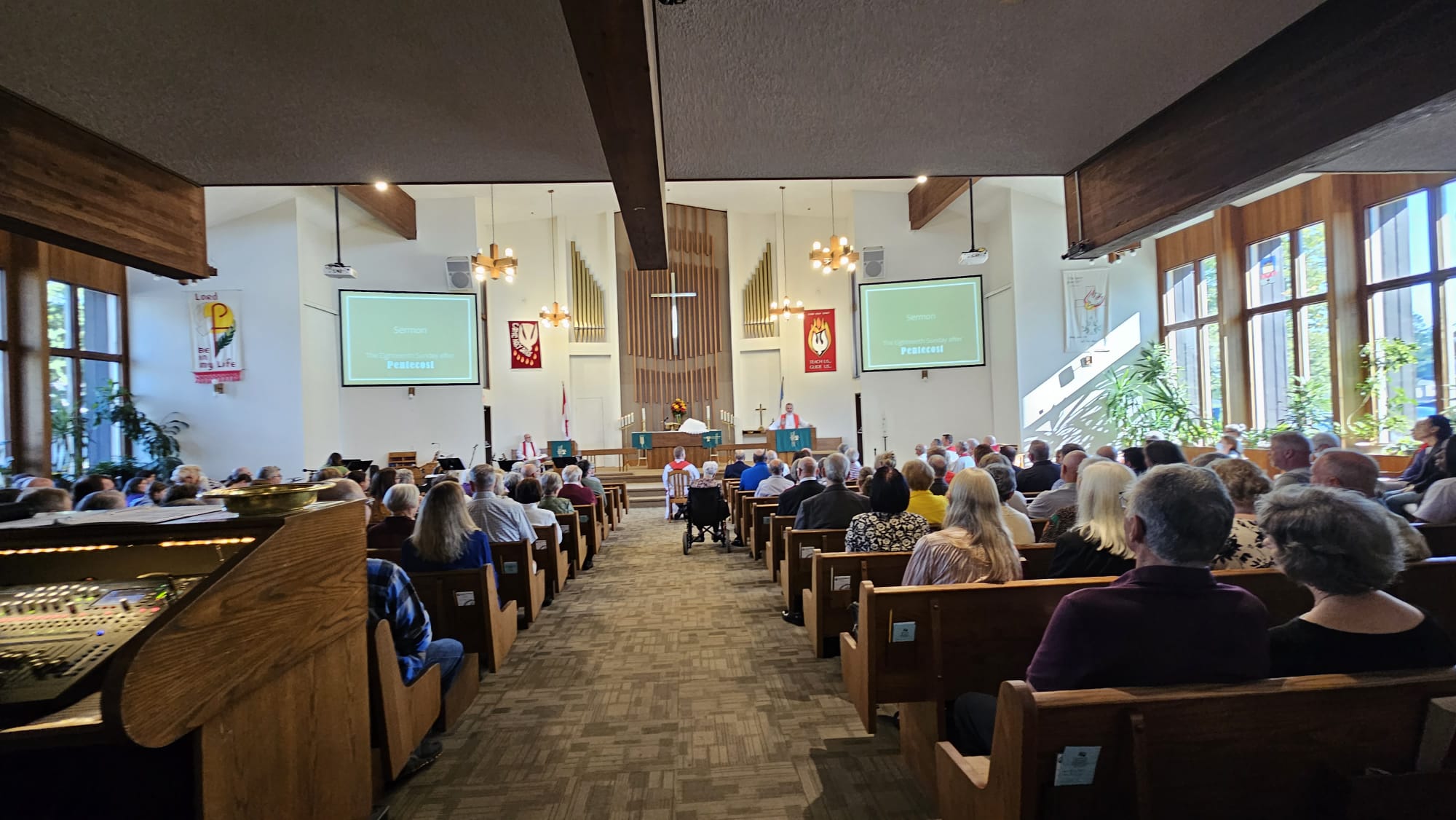

Matthew 5:13-20
Theme: “Salting the World with the Word”
___________________________
Intro – It was Sunday afternoon. Andrew had his lunch and was doing nothing, as many Sundays go. One thing he had done though; he attended Church that morning and now he was thinking about the sermon and how to connect it to daily life. Salt and Light – nice Bible explanation, some interesting thoughts, but he struggled with the connections about salt, saltiness, “you are the salt of the World” and daily life outside the Church’s door, especially that part about “foolishness of the salt”. He recalled the pastor preaching:
(SCREEN)
The Greek word here is not actually taste, but “fool, foolishness”, as the rendering of the word “moraino” goes. “If salt becomes fool, how can its saltiness be restored?”. Jesus says, ‘You are the salt of the earth.’ That’s us—Christians. We bring Christ’s message to a world that’s lost its flavor, gone tasteless with sin. And here’s the thing: our message sounds foolish to the world. Christ crucified? That sounds like foolishness. But it’s exactly the salt this world needs”
Settled in his recliner, Andrew was still mulling over the idea when he dozed off.
Monday afternoon. Workplace. Andrew casually notices that one of his co-workers in the room is not having a great day. There is something going on. As he walked up to the water fountain he noticed the guy was even weeping a bit. He never knew what to do in those situations, so he went back to his cubicle trying to concentrate on his work. All of a sudden, words from Sunday sermon popped up in his mind:
(SCREEN)
“As Christians, we have been transformed. Even as sinners we don’t belong to the world, but to Christ.[1] Jesus doesn’t just call us to think about faith—he calls us to live it. You’re not just part of the world anymore; you belong to Christ. And now Christ sends you out as salt to share his message with others.”
As surprised as he was thinking about a Sunday morning’s sermon on a Monday afternoon, he decided to do something; or at least try. He fired off a message. “If you need to talk to someone, I will be glad to help. No pressure, though”. Minutes later came the answer. “Thanks, man. I lost someone from my family last week, and I’m not ready to talk about it yet. But it is good to know that I am not alone”. “Sure thing. God bless you and comfort you”, Andrew replied.
“My faith in action.” Andrew always construed messages about sharing his faith as something that is so elaborate that he would never be able to do. “That’s for the pastors and the elders”. Now a simple, direct, and meaningful opportunity to do that was possibly at hand. “Salting the World with the Word” – the sermon’s theme came to his mind once again, before he dove back in his tasks again.
Wednesday evening. The TV is on with the evening news. War is still raging in the East; problems and tragedies are popping up around the world and in the vicinity; people in town were upset about some injustice being made. Problems, corruption, pain… “This world is becoming tasteless by the day,” he commented to his wife as they moved to the kitchen. Oops.wow There was that feeling again that Sunday’s sermon was tagging along through his week. Another section of it came to his mind:
(SCREEN)
Problems rage in the world, in part, because we Christians aren’t being the salt we’re called to be, as a consequence of sin. Instead of salt of the Earth, we are the fire of the earth, not preserving but destroying it. Instead of salt, cannons and guns are seen in many places. Instead of preserving life, we humans seek to destroy lives. [2]
We need to repent—to turn back to God and ask forgiveness when we’ve lost our saltiness. Sin has its hallmark all around and we all need to repent of our tastelessness, asking forgiveness before God.”
He recalled the pastor mentioning that the point Jesus is making here is that it is impossible for salt to lose saltiness. Then it might be sugar, pepper or even sand, but not salt. He thought of his spiritual life, his actions, and the way faith was or wasn’t shown in his daily actions.
At the table, when he reached for the saltshaker over his fries, he stopped. He remembered the pastor saying that salt prevents deterioration—that it was meant to preserve. The word about repentance came back to him. A total transformation. He set the shaker down, mindful of his blood pressure, but more mindful of his heart. He realized he didn’t need more salt on his food; but that in Christ’s hands, he is the salt of the world, along with all Christians.[3]
Later in the evening, he tried to remember a word of comfort from the sermon. Is there a word of forgiveness if we feel we are not acting as the salt of the world as we should? He recalled another part of the sermon, when the pastor said about that Greek word—metanoia, was it?— the word for repentance. He was surprised that this part didn’t even need a recap. That was the one part he remembered. True repentance means a change of mind. We turn around Jesus../ And now, forgiven, we are sent to live our life reflecting Christ’s light and presence in the World.[4]
He went to bed that Wednesday with one picture in his mind. How can salt lose its saltiness? It can’t. It is either salt or it is not. How can a Christian have never his faith shown in works in its life and still be a Christian? He can’t. You are either a Christian or you’re not. He even had a bedtime prayer, something he hadn’t done in in the past few weeks.
Friday morning. Coffee shop, coffee mates, different topics of conversation, laughs, double-doubles and fun. Then someone hit the topic of Church going, as someone in his family had invited him to attend on Sunday.
“I don’t go to Church”, someone said. “Waste of time.”
“I like faith, but I don’t like the Church” another one joined.
“After all, the Bible was written by sinners, human beings” sentenced someone else. “Can we really trust it? I don’t think so.”
Andrew lowered his eyes and had another sip of coffee. That was his usual attitude in those circumstances. He didn’t want to trigger anyone, or to be polemic, he didn’t… “I don’t want to show my faith, I’m embarrassed!” a very sincere thought pierced his mind. “I’m afraid of being salt…I think they’d prefer me to be honey, not salt. They’ll be happier with that.”
But that was a different week. The salt theme was on his mind all along. After another sip of warm coffee, he said. “Well, I go to church!”
Most friends were not startled by it, but one of them cared to ask: “You do? Do you believe the Bible, Jesus, all that stuff?”
-Sure.
-Well, we must respect everyone’s choices… but…don’t you think that’s a little bit naïve? Or at least, with so many religions and different interpretations of the Bible around, that it might not be as true as priests claim it to be?
They talked about it a bit, pros and cons, faith and life… until Andrew was surprised to hear himself say in the kindest way possible. “you know, let’s for a moment put the Bible aside as written by humans. Now, I’m pretty sure you all have your own convictions, principles, and truths, right?
-Sure – they nodded.
-Now, the books, articles, social media posts you read and learn from and rely on…who wrote them?
There wasn’t really an answer to that. A moment of awkward silence followed—the kind of silence that says, “let’s change the subject before the religious guy gets weird”. Then, all of a sudden, it was everybody’s time to hit the road.
Andrew was left a little insecure about if he did the right thing. He could sense they were being polite but dismissive. That stung a bit. But again he was comforted by words from the sermon when, later, he went online to read a bit more:
(SCREEN)
“We are bearers of the Good News to the World. Yes, we won’t always be perceived as good flavour – that is, sometimes the message of the Bible will be bitter to the taste of the world; it would prefer us to be honey. Sometimes God’s truth is hard to hear. Still, we want to preserve our saltiness. We don’t change the message to make it more palatable. We speak God’s truth with love, trusting that through the cross—foolish as it may sound—God brings people to himself.”
He spoke the truth, and even though it was met with silence, he did it with kindness. He wasn’t a “harsh” truth-teller, nor a “tasteless” people-pleaser; he was simply being salt in God’s hands.
The weekend came and his mind was bubbling. What a different week! He knew that Christ through the Word was working in him, and it kept building up. He realized that being salt isn’t about winning an argument; it’s about being a presence that refuses to disappear.
On Saturday afternoon he receives a message from one of the coffee mates. “That thing you said yesterday, it really got stuck in my mind. I can’t stop thinking about it” He smiled and said a mental prayer thanking God for leading him in that. Perhaps that would be the beginning of something in the life of that friend? Andrew was happy to realize that he didn’t have to have a theology degree to be able to share his faith. He just had to be salt in God’s hands. He still didn’t have all the answers, and he still felt like a novice, but he was starting to see that formula the pastor brought in the sermon, Agape Aletheia—Truth that doesn’t hide, spoken with a Love that doesn’t quit. And he couldn’t help but going online to listen to the pastor’s lines about it again:
(SCREEN)
Another thought also occurred to Andrew. “Not every week is this clear-cut, like from my doubts on Sunday to praying for my friend on Saturday. But God’s Word remains constant even when my feelings or results aren’t as immediate. And everything needs to start somewhere. Maybe this week was a turning point in my life”.
Conclusion – Sunday morning; Church Day again. Another regular Sunday, but for Andrew it was a little different, after that week. He was especially eager to hear that Sunday’s sermon and its connections to his daily life. With that in mind he began to sing the first song with the congregation. His heart was filled with joy for the Word of God in His life, for the salt that the Holy Spirit has transformed us into, through faith in Christ. He was thankful that God, in Christ, had called him to be His, and to salt the World with the Word.
__________________________
[1] An exegesis of Matthew 5.13 by Dr. Donaldo Schuler”, p.2
[2]This violence is also practiced in the pastoral activity when coercion is used, the law instead of the proclamation of the Gospel, which is the power of God used by the Holy Spirit to operate the “metanoia”. An exegesis of Matthew 5.13 by Dr. Donaldo Schuler”, p.2
[3] He was really surprised. For the first time in a while he noticed the connection between a sermon and daily life. It might have been the Pastor’s fault sometimes, if he was too long or too abstract?… But he had to admit own share in that too.
[4]“In the context of the NT salt meant the main the ingredient to preserve food, for salt prevents deterioration. Now, the earth is defiled by sin, therefore, apart from God. So God intervened with his word. Through repentance, a total transformation of the mind, we are now the salt of the Earth, by faith in Christ.
The Greek word is ‘metanoia’—total change of mind, true repentance. True salt cannot lose its nature, but it can be buried under impurities—hidden by our fear or compromise. Repentance clears away what covers our saltiness. And now he sends us out daily, forgiven and equipped, as His preserving presence in the world.
Jesus didn’t say: “I am salt of the earth”. He uses many “I ams” in other contexts for him to define his work of rescuing humanity: “I am the resurrection, I am the way, etc.” Here he is talking about the task of the church, the task of the disciples in all the times. “Our task” he thought. The word Christ is clear: “You are the salt of the earth”. “An exegesis of Matthew 5.13 by Dr. Donaldo Schuler”, p.2